
Monday, May 5 2025What Is Technical Debt and Why It Matters to Your Business?
Discover what technical debt is, why it impacts your business, and how to manage it to ensure long-term product quality and scalability.


When you build software under pressure, it’s common to take shortcuts. Those shortcuts (fast hacks, limited tests, messy code) accumulate what we call Technical Debt. According to experts, “technical debt” describes the extra work needed in the future because a team chose a quick but imperfect solution now.
Just like financial debt, Tech Debt isn’t inherently evil….what’s dangerous is ignoring it. If you never “pay it back,” the cost (bugs, slower development, reduced code quality) compounds. That’s when debt becomes a barrier to growth.
At our studio, we treat tech debt not as a failure, but as a strategic lever — a trade‑off between speed and long‑term maintainability. Under the right management, it can help teams move fast and still stay sustainable.
One main challenge when pitching tech debt: stakeholders typically care about features, not infrastructure. So asking for time to clean code feels like “nothing visible” — until the pain becomes too obvious. That’s why you need to reframe the conversation.
Instead of “we need to refactor this legacy code,” try business‑oriented language like: “This improvement will accelerate delivery, reduce maintenance overhead, and unblock future features.”
Non-technical stakeholders also struggle with the abstract nature of tech debt (it often feels intangible and difficult to measure). But for engineering teams, the impact is usually very concrete: tightly coupled codebases slow down development, missing test coverage increases regression risk, and outdated architectures make even small changes expensive and error-prone.
Over time, this creates a compounding effect: every new feature takes longer to ship, incidents become harder to debug, and teams spend more time maintaining fragile systems instead of building new value.
In our experience at Acid Tango, effective pitches share a few recurring patterns. Here’s a structured way to approach it:
Document what the debt is. Create a “debt registry” (a file, a board, or tickets) where each technical debt item is described, with context (module, risk, how it was introduced).
Translate technical issues into business risks. Example: “This module currently has 0% automated test coverage → we risk shipping regressions or bugs, which could cost time or even customer trust”. Tools like static‑analysis tools or code‑health metrics make this more visible.
Show the cost of inaction. For example: “In the last quarter, we spent X hours debugging issues in module Y. That’s non‑billable time that produced no new value.” This makes debt tangible in terms stakeholders understand — time = money.
Stakeholders are more open when you frame debt reduction as enabling future business value. Some persuasive reframing tactics:
✅ Speed + scalability — “Refactoring this part will let us deliver new features twice as fast in this module.”
✅ Stability & risk reduction — “Automated tests + clean code reduce risk of regressions, which protects customer trust and avoids emergency bug‑fix sprints.”
✅ Sustainable growth — Avoiding future “technical chaos.” If debt accumulates unchecked, maintenance becomes inefficient and onboarding new developers becomes slow and painful.
Also, use analogies stakeholders get: technical debt is like skipping car maintenance — the engine might run now, but eventually it will break down.
To get buy‑in, you must show a realistic plan, not just demand indefinite refactoring time. Here’s a pattern we often use:
Small, incremental improvements. Instead of a big refactor, allocate a fraction of each sprint (say 15–20%) to pay down debt. Over time, this compounding effect keeps the codebase healthy.
Blend debt work with feature delivery. For example: “We’ll add the PDF export feature — but first we’ll refactor the reporting module foundation. The overall investment is just a bit more, but future features will be much faster.” This “feature + maintenance combo” often lands better than “let’s refactor now.”
Define metrics & visibility. Use code‑quality tools, dashboards, test coverage metrics. Regularly report to stakeholders: “Here’s the evolution of code quality, bug rate, velocity.” This helps build confidence that refactoring isn’t idle work — it’s strategic investment.
Another key enabler of incremental debt reduction is having a solid automated testing strategy. Short, continuous refactors are only sustainable when teams can make changes with confidence. Good test coverage acts as a safety net, allowing developers to improve code structure, simplify complex areas, and remove legacy patterns without increasing the risk of regressions. In practice, investing in tests often makes technical debt repayment faster, safer, and easier to justify from a business perspective.
It’s vital that debt reduction doesn’t feel disconnected from business priorities. As shown in studies by [Cornell University](https://arxiv.org/abs/2010.09711?), managing technical debt works best when you prioritise items based on business impact, not only technical severity.
In practice, this means: involve Product Owners and stakeholders in prioritization. Ask: Which parts of the product are most critical to future growth, scalability or stability? Then pay down debt in those areas first.
Aiming for “zero debt” is often counter‑productive: it kills agility and speed. The goal shouldn’t be perfection, it’s simpler than that: it should be sustainable balance…letting teams move fast when needed, but not at the cost of maintainability.
A mature engineering team is one that knows how to balance speed, quality, and business needs (and communicates that balance clearly to stakeholders).
Successfully pitching technical debt isn't just the responsibility of engineering managers or tech leads. Everyone who interacts with stakeholders should understand how to communicate technical improvements in terms of business outcomes.
One common mistake is relying too heavily on technical language. Terms like "refactoring", "code cleanup", or "architecture improvements" may be meaningful to developers, but stakeholders often hear them as work that delays visible progress. Over time, words like "refactor" can even develop a negative connotation if they're repeatedly associated with postponed features or unclear benefits.
That's why teams should focus on explaining the outcome rather than the activity. Instead of saying, "We need to refactor this module", frame it as: "This improvement will reduce delivery time for future features", "It will lower the risk of production incidents", or "It will make the platform easier to scale as the business grows."
Creating this shared communication mindset across the team helps build trust with stakeholders and ensures technical debt discussions remain aligned with product and business goals, regardless of who is having the conversation.
While every organisation manages technical debt differently, there are a few practical habits that consistently lead to better outcomes:
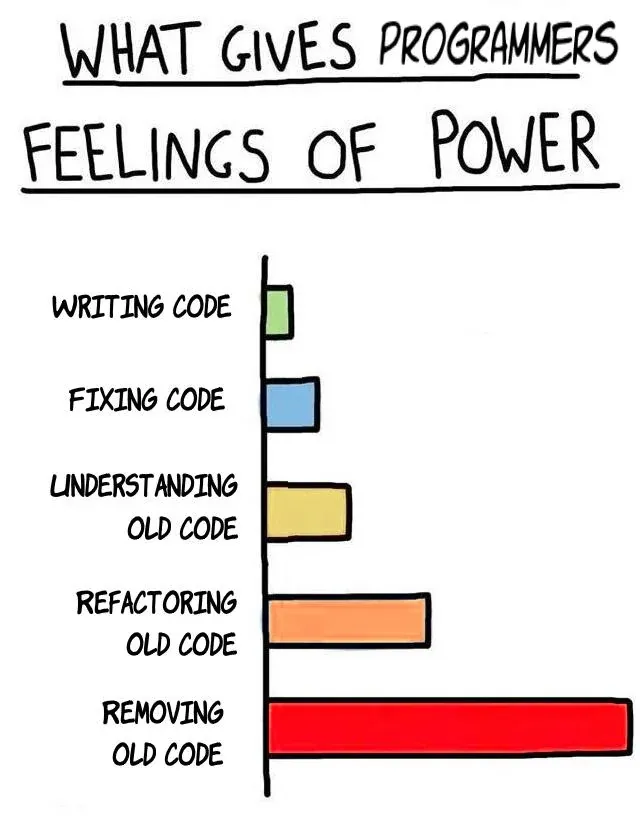
The goal isn't to eliminate technical debt completely. It's to manage it deliberately, balancing short-term delivery needs with long-term product sustainability.
Ultimately, sustainable software development is about balance. Moving fast matters. Shipping features matters. But building systems that teams can still understand, maintain, and evolve a year later matters too.
At Acid Tango, we help teams balance short-term execution with long-term sustainability, building digital products that are fast to evolve, reliable to maintain, and ready to scale.